0%
of public services online
Day and night, weekends included. About the only things still requiring your physical presence: getting married, getting divorced — and even property deals moved online.
— press any key / tap to skip —
███████╗███████╗████████╗ ██████╗ ███╗   ██╗██╗ █████╗
██╔════╝██╔════╝╚══██╔══╝██╔═══██╗████╗  ██║██║██╔══██╗
█████╗  ███████╗   ██║   ██║   ██║██╔██╗ ██║██║███████║
██╔══╝  ╚════██║   ██║   ██║   ██║██║╚██╗██║██║██╔══██║
███████╗███████║   ██║   ╚██████╔╝██║ ╚████║██║██║  ██║
╚══════╝╚══════╝   ╚═╝    ╚═════╝ ╚═╝  ╚═══╝╚═╝╚═╝  ╚═╝
# the country that runs on software — 99% of public services online, 24/7, for 1.37 million people who decided paper was optional.
guest@estonia:~$ whoami
a nation of 1.37M — population small, throughput absurd.
guest@estonia:~$ ./estonia --pitch
one digital identity signs contracts, files taxes in ≈3 minutes and casts binding votes. the state runs around the clock; the queues do not exist.
type `help` below — this shell is real. try `vote`, `facts`, `sudo rm -rf /paper`.
$ cat /proc/nation/status
0%
Day and night, weekends included. About the only things still requiring your physical presence: getting married, getting divorced — and even property deals moved online.
≈0min
The declaration arrives pre-filled from employer, bank and pension data. Most people check it, click confirm, and get on with their lives.
0%GDP
Every year. A digital signature carries the same legal weight as a handwritten one — so the country stopped printing, posting and queueing for both.
# kernel rule: ONCE-ONLY
Estonia did not digitise paperwork. It deleted the paper. Under the once-only principle, the state may never ask a citizen for the same piece of data twice — if one registry holds it, every authorised service can reach it. That single rule is the engine of everything below.
$ ./trace --citizen liisa --date tuesday --follow
Meet Liisa, 34, product designer in Tallinn. Her day below is entirely ordinary — which is exactly the point. Scroll, and watch the state hum along underneath it.
▶ E-PRESCRIPTION RENEWED OVERNIGHT
Liisa's repeat prescription renewed itself at midnight. The Health Information System pinged her patient portal; the pharmacy sees it the moment she walks in — 99% of Estonian prescriptions are digital. No slip of paper exists to lose.
She taps her phone on the tram validator; the QR ticket is tied to her digital identity. Tallinn residents ride city transport free — registered automatically against the Population Registry.
Her son has a cold. In eKool — the school platform used by nearly every Estonian school — she marks the absence, sees today's assignments, and signs the class-trip permission slip. Digitally, obviously.
A client in Helsinki sends a draft. Liisa reviews it, enters her Mobile-ID PIN2, and the document is signed with a legally binding, timestamped, cryptographically sealed signature. Eight seconds. Valid across the entire EU under eIDAS.
At a check-up, the physician opens Liisa's national Health Record — lab results, imaging, prescriptions since 2008 — with her access rights intact. Every single lookup is logged, and she can see who looked. The state can't peek unnoticed.
Her declaration is pre-filled — salary, mortgage interest, donations already known to the Tax and Customs Board. She skims, clicks confirm, done. Around 95% of Estonian declarations are filed online, most in under five minutes.
Liisa's one-woman design OÜ submits its annual report through the e-Business Register. Founding the company took her under three hours, fully online — she shares that machinery with 100,000+ e-residents abroad.
Municipal elections are on. She votes online, verifies her ballot with a second device, and can re-vote digitally any time before e-day — only the last ballot counts. In the 2023 parliamentary election, over half of all votes were cast this way.
Before bed, Liisa opens the Data Tracker: four queries touched her data today — pharmacy, doctor, tax board, election system — each logged, each justified, integrity-sealed by the state's KSI blockchain. In Estonia, you own your data; the state just babysits it.
$ man pillars
Not products. Public infrastructure — as mundane and as miraculous as running water.
Since 2002, every Estonian carries a state-issued digital identity — an ID-card, Mobile-ID or Smart-ID — that proves who they are online and signs with full legal force. It is the key to all 99%: healthcare, banking, voting, contracts, taxes. One PIN-protected identity, thousands of services, public and private alike.
$ digisign sign --doc remote-work.pdf --pin2 ****
“I approve the remote-work agreement between … and Nordic Studio OÜ.”
sha256: ────────────────────────────────
[ SIGNED · · legally binding under eIDAS ]
# a real Estonian signature uses your ID-card / Mobile-ID keys; this demo sketches the ceremony in your browser. nothing leaves this page.
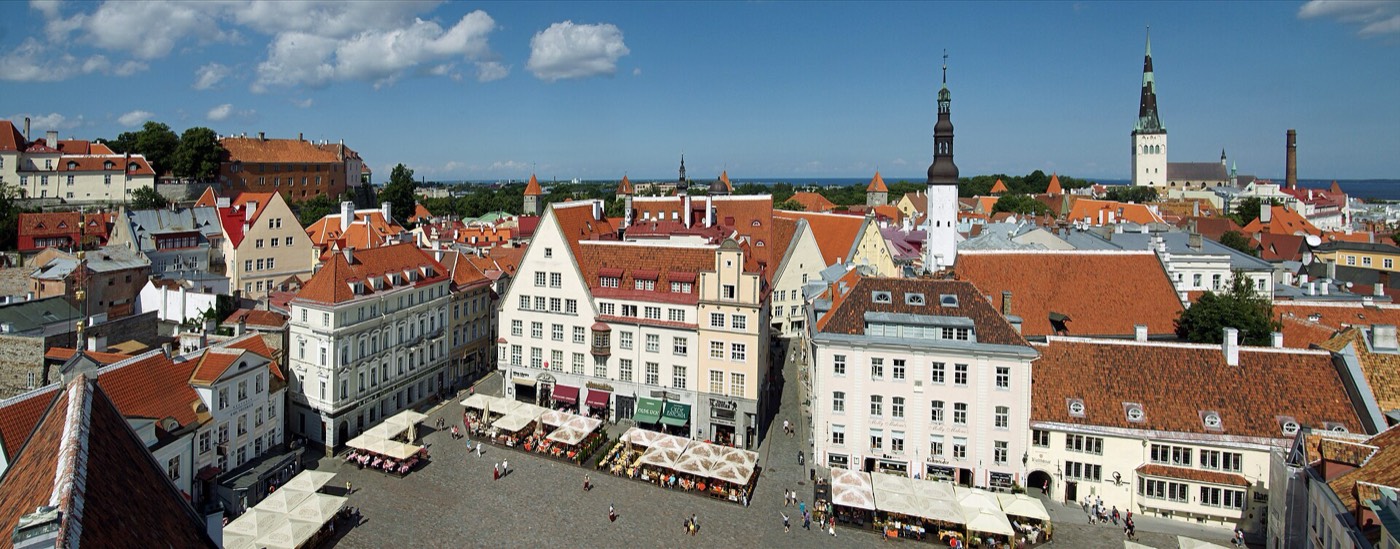
The cabinet has run paperless since 2000 — ministers review drafts and sign off decisions on tablets, cutting weekly meetings from hours to minutes. The state portal eesti.ee is the single front door to hundreds of services, and the once-only principle means forms arrive pre-filled. Voting went online in 2005, a world first; in 2023, 51% of votes arrived over the internet.
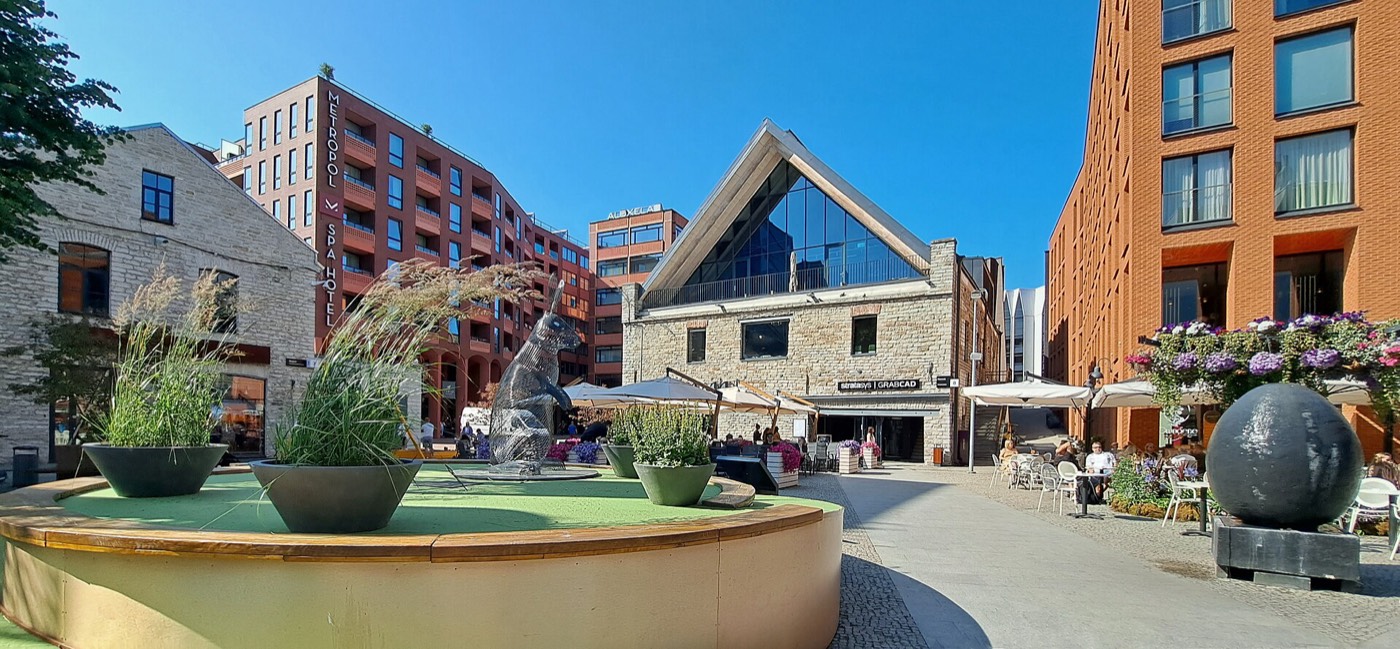
Since 2008, every Estonian has a national e-Health Record consolidating lab results, imaging and prescriptions from every provider. Ambulances query critical data en route; pharmacies fulfil e-prescriptions against the same record; patients control and audit every access. Add a gene bank holding data of some 200,000 Estonians, and the system starts to practise medicine preventively, not reactively.

The Tiger Leap programme wired every Estonian school by the late 1990s, before most countries had an IT policy. Today eKool connects pupils, parents and teachers; ProgeTiiger put programming in primary classrooms; and the AI Leap initiative is handing a generation of students access to world-class AI tools with teacher training to match. Education is where digital Estonia keeps re-inventing itself.

After the 2007 cyber attacks, Estonia turned defence into doctrine. Tallinn hosts the NATO Cooperative Cyber Defence Centre of Excellence and the world's largest live-fire cyber exercise, Locked Shields. State registries are integrity-sealed with KSI blockchain since 2012, a full backup of critical data sits in a data embassy in Luxembourg, and citizens audit every touch of their records. Trust isn't assumed here — it's engineered.

Since 2014, Estonia has issued digital identities to non-residents: e-Residency. Founders in 170+ countries use it to establish and run an EU-based company entirely online — incorporate in hours, sign contracts, file taxes, bank and invoice across the single market, all without a visit. It is the operating system of the Estonian state, exported as a service.
$ xroad --trace --live
There is no central database in Estonia. Registries stay where they belong and talk to each other through X-Road — an encrypted, signed, fully logged exchange layer running since 2001. Tap a node to see what it holds and who it serves.
# the same stack now runs beyond Estonia: Finland's Palveluväylä, Iceland and the Faroe Islands exchange data over X-Road technology through the Nordic Institute for Interoperability Solutions — proof the blueprint travels.
$ curl -s estonia.ee/e-residency.sh | sh
Your startup gets an EU home, a legal identity, banking rails and a tax system that files itself — while you keep your postcode.
# [1/3] apply_online # typical: 3–8 weeks
Submit the application, pay the state fee, pass a background check by the Police and Border Guard. Pick up your digital ID kit at an Estonian embassy or pickup point near you.
[ OK ] identity verified — digital ID issued
# [2/3] incorporate --type OÜ # typical: 1 day
Found an OÜ through the e-Business Register with your new digital signature. No notary, no paper, no flight. The record for founding a company online is measured in minutes.
[ OK ] company registered — EU legal entity active
# [3/3] run --from anywhere # ongoing: 24/7
Sign contracts, invoice clients across the EU, declare taxes in the pre-filled portal, and grow — with a government that behaves like well-written software.
[ OK ] running — bureaucracy not found
“My company is Estonian, my clients are European, my office is wherever I open the laptop. The only bureaucracy I ever notice is other countries'.”
$ man estonia-export
Estonia's wager: digital government is not a product to hoard but a pattern to copy. The stack, the laws and the playbooks have all been packaged for export.
X-Road's core is open source and jointly developed by the Nordic Institute for Interoperability Solutions. Finland, Iceland and the Faroe Islands already exchange data over it; implementations inspired by it serve tens of millions.
--via X-Road · NIIS
Digital signature acts, once-only mandates, data-embassy treaties — the legal scaffolding matters more than the servers. Estonia shares it openly with partners drafting their own.
--via legal framework
The e-Estonia Briefing Centre in Tallinn hosts delegations weekly: live demos of the service layer, meetings with the architects, and honest post-mortems of what failed first.
--via briefing centre · Tallinn
step 1: assess
Map registries, identity coverage and legal gaps against the Estonian baseline.
step 2: pilot
Stand up one high-friction service — business registry, prescriptions, taxes — on interoperable rails.
step 3: scale
Connect the rest under once-only rules. Measure in minutes returned to citizens, not features shipped.
$ sysctl nation.stats
$ tail -f /var/log/nation.log
Estonia's AI education programme completes its first full rollout: 20,000+ students and 3,000 teachers now work with licensed AI tools inside the national curriculum — the Tiger Leap playbook, rerun for the model era. read the dispatch →
The newest generation of the exchange layer — container-native, cloud-portable, zero-downtime upgrades — finishes migration across Estonian registries, and NIIS opens the upgrade path to Finland, Iceland and the Faroe Islands. see the network →
Two decades after the world's first binding internet vote, Estonia publishes a retrospective of every audit, improvement and re-count — and opens the verification tooling docs for researchers worldwide. how a vote travels →
Two days of live demos, registry walk-throughs and adoption clinics for visiting delegations, founders and press. Seats are limited; briefings run in English. request a seat →
$ ssh future@estonia.ee